



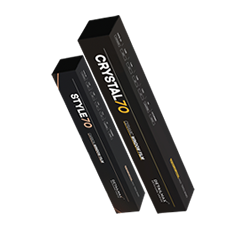


When it comes to keeping your bike looking brand new while shielding it from environmental damage, ceramic coating for bike is the most advanced protection available. Unlike traditional waxes or sealants that wear off after a few months, ceramic coatings create a semi-permanent bond with your bike’s paint, offering unbeatable durability, gloss, and resistance against UV rays, dirt, scratches, and chemical contaminants.
Whether you own a high-performance sports bike, a rugged adventure motorcycle, or a classic Royal Enfield, ceramic coating ensures long-term protection while making maintenance easier than ever.

What is Ceramic Coating for Bike?
Ceramic coating is a liquid polymer that chemically bonds with your bike’s paint, forming a protective layer that is much harder and more durable than conventional waxes or sealants. Made primarily from silicon dioxide (SiO2) or titanium dioxide (TiO2), these coatings create a hydrophobic (water-repellent) surface that prevents water spots, dirt buildup, and staining. The result is a deep, glossy finish that enhances your bike’s appearance while providing superior protection against harsh weather, road grime, and UV damage.
Benefits of Ceramic Coating for Bike
1. Unmatched Gloss & Shine
One of the most noticeable benefits of ceramic coating is the stunning shine it provides. The coating enhances the depth and clarity of your bike’s paint, giving it a wet, mirror-like finish that lasts for years. Unlike wax, which dulls over time, ceramic coatings maintain their reflective properties, keeping your bike looking showroom-ready.
2. Long-Lasting Protection
Traditional waxes and sealants degrade within weeks or months, requiring frequent reapplication. In contrast, a professionally applied ceramic coating for bike can last anywhere from 2 to 5 years, depending on the product and maintenance. This long-term protection saves time and money while ensuring your bike stays protected against environmental damage.
3. Hydrophobic & Self-Cleaning Effect
Ceramic coatings create an ultra-smooth surface that repels water, mud, and grime. When water hits a ceramic-coated bike, it beads up and rolls off effortlessly, taking dirt and contaminants with it. This hydrophobic effect makes cleaning your bike much easier, reducing the need for frequent washing and minimizing swirl marks caused by improper cleaning techniques.
4. UV & Oxidation Resistance
Constant exposure to sunlight can cause your bike’s paint to fade and oxidize over time. Ceramic coatings act as a shield against harmful UV rays, preventing discoloration and keeping the paint vibrant for years. This is especially beneficial for bikes stored outdoors or frequently ridden in sunny conditions.
5. Scratch & Chemical Resistance
While ceramic coatings won’t make your bike completely scratch-proof, they do add a strong protective layer that helps resist minor scratches, swirl marks, and chemical stains from fuel spills, bug splatters, and road salts. This added durability keeps your bike looking pristine even after long rides.
6. Easier Maintenance
With a ceramic-coated bike, routine cleaning becomes effortless. Dirt, dust, and grime don’t stick as easily, meaning you’ll spend less time scrubbing and more time riding. A simple rinse with water is often enough to keep your bike looking spotless.
How to Apply Ceramic Coating on Your Bike?
Applying ceramic coating requires precision and patience, but the results are well worth the effort. Here’s a step-by-step guide to ensure a flawless application:
Step 1: Thorough Cleaning
Before applying the coating, your bike must be completely free of dirt, grease, and contaminants. Start with a two-bucket wash method using a pH-neutral car shampoo to avoid stripping any existing wax. Follow up with a clay bar treatment to remove embedded contaminants that washing alone can’t eliminate.
Step 2: Paint Correction (Optional but Recommended)
If your bike’s paint has swirl marks, light scratches, or oxidation, consider machine polishing to restore a flawless finish. Since ceramic coating locks in the paint’s current condition, any imperfections will remain visible after application if not corrected beforehand.
Step 3: Surface Preparation
Use an isopropyl alcohol (IPA) wipe-down to remove any residual oils or polishing compounds. This ensures maximum bonding between the ceramic coating and the paint.
Step 4: Application of Ceramic Coating
-
Work in small sections (one panel at a time).
-
Apply a few drops of ceramic coating onto the provided applicator pad.
-
Spread the product in criss-cross patterns for even coverage.
-
Allow the coating to flash (haze over) for the recommended time (usually 1-2 minutes).
-
Buff off any excess with a high-quality microfiber towel.
Step 5: Curing Process
After application, the coating needs 24 to 48 hours to fully cure. Avoid exposing the bike to water, dust, or extreme temperatures during this period. Some coatings may require multiple layers for enhanced durability—always follow the manufacturer’s instructions.
Maintenance Tips for Ceramic-Coated Bikes
While ceramic coatings significantly reduce maintenance, proper care ensures maximum longevity:
✔ Use pH-neutral shampoos – Harsh soaps can degrade the coating over time.
✔ Avoid automatic car washes – The abrasive brushes can cause scratches.
✔ Use a ceramic coating booster – Some brands offer spray-on toppers to refresh hydrophobic properties.
✔ Regularly remove contaminants – Bird droppings, bug splatters, and tree sap should be cleaned promptly to prevent etching.
Ceramic Coating vs. Wax vs. PPF: Which is Best?
| Feature | Ceramic Coating | Wax | PPF (Paint Protection Film) |
|---|---|---|---|
| Durability | 2-5 years | 1-3 months | 5-10 years |
| Protection | UV, chemical, scratch resistance | Temporary gloss & water repellency | Self-healing, rock chip protection |
| Cost | Moderate to high | Low | High |
| Maintenance | Low | High (frequent reapplication) | Low |
While PPF offers the best physical protection against rock chips, ceramic coating is the best all-around solution for gloss enhancement, chemical resistance, and ease of maintenance. Wax is only suitable for short-term shine but lacks long-term protection.
Is Ceramic Coating Worth It for Bikes?
Absolutely! If you want to preserve your bike’s paint, reduce cleaning time, and maintain a showroom finish for years, ceramic coating is a smart investment. While the initial cost may be higher than wax, the long-term benefits far outweigh traditional methods.
Final Thoughts
A ceramic coating for bike is the ultimate way to protect your prized possession from the elements while keeping it looking immaculate. Whether you’re a daily rider or a weekend enthusiast, this advanced protection ensures your bike stays in top condition with minimal effort.

